NYO
- To city center
- Stockholm · ~89 km
- Time to city
- Taxi from arrivals · ~75–100 min to central Stockholm (traffic-dependent)
NYO
BMA
One map, pinned from each airport’s published coordinates.
Overall is the published weighted sum. A highlighted score is ahead; a tie stays plain.
25% · Wayfinding, security wait, and layout.
20% · Seating, Wi-Fi, cleanliness, and quiet.
NYO
NYO
NYO
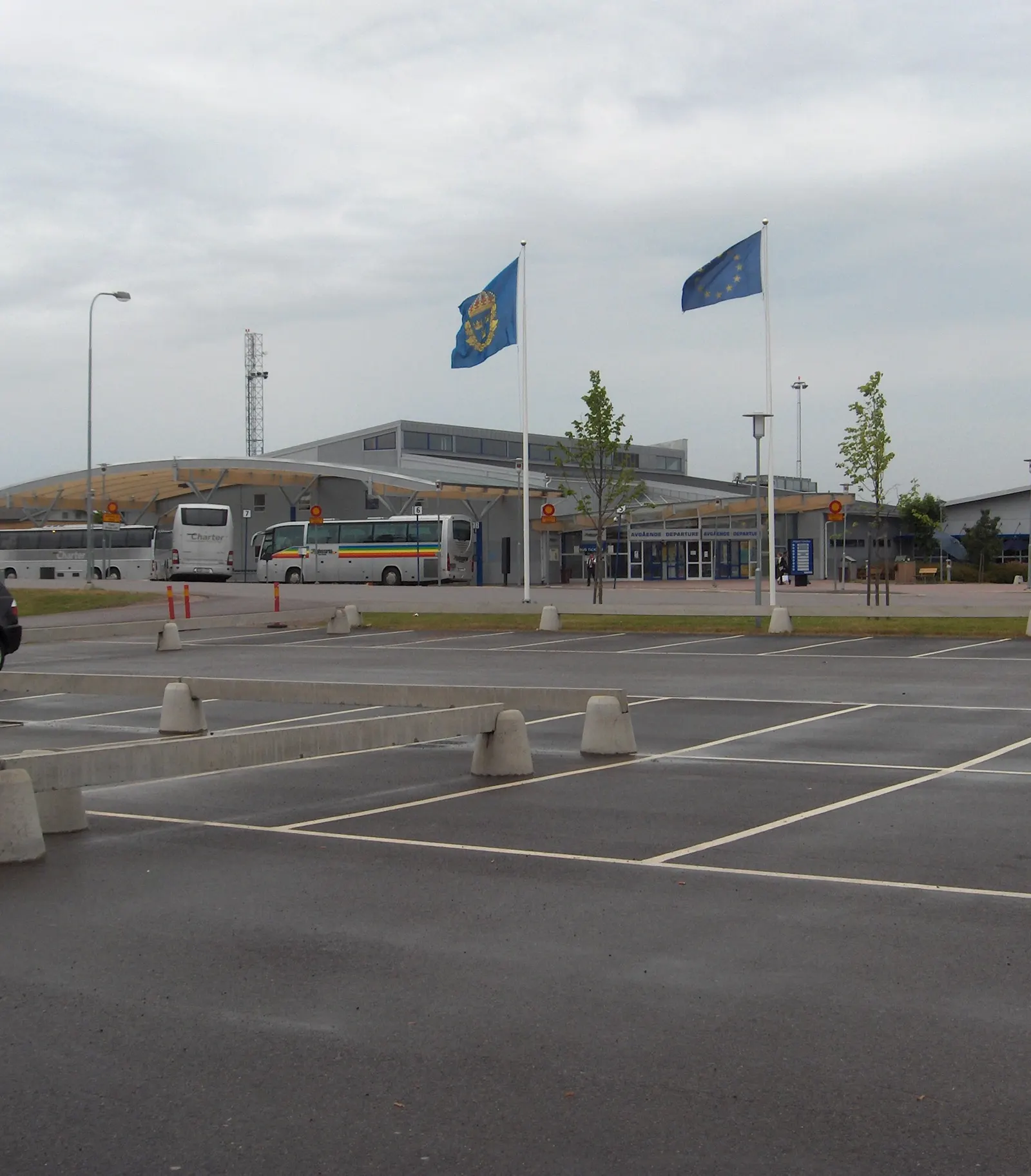
NYO · Stockholm’s southern low-cost field: 341,571 passengers in 2025 (Transportstyrelsen), one simple terminal, Norwegian + Wizz Air leisure routes, and an ~80-minute Flygbussarna ride to Cityterminalen — useful when the fare beats ARN, not when you need hub connectivity or late-night terminal access.
BMA · Stockholm’s historic city airport after the 2024–25 airline exodus: 25,232 passengers in 2025 (Swedavia), a single tiny terminal ~9.6 km from town, and Tvärbanan 31 at the door — useful only if your ticket actually says BMA, not as a lounge or F&B destination.
15% · Food and retail quality and variety.
15% · Transit, taxi, and parking to the city.
15% · Delays, cancellations, and weather resilience.
10% · Worth-it density and access quality.
BMA
BMA
Build the Flygbussarna, not a mega-hub buffer
Pad the ~80-minute Stockholm coach and the 40-minute check-in cut-off; the terminal itself is short.
One hall — Schengen vs non-Schengen is a sign, not a second building
Single terminal: security → duty-free / ät. → gates; follow Schengen vs non-Schengen signs after screening.
ät. both sides — or Pressbyrån if you are racing a turn
ät. is the real plate landside and airside; Pressbyrån covers a quick landside bite.
BMA
Treat BMA as a micro-schedule, not a hub
Thin timetable — be on site for your own flight wave; the building is not open 24/7 like a major hub.
One tiny terminal — the real risk is STO airport mix-ups
Navigation inside is trivial; confusing BMA with ARN/NYO is the expensive mistake.
Do not plan a meal around Bromma F&B
Post-collapse F&B is unreliable — eat before you arrive or bring snacks.